Sorry however, with all elastomeric coatings, it boils down to scraping. Great ol RVs need excellent ol effort. Utilize a chemical paint stripper for around roof fixtures and locations you can't get it all off. You could use it over the entire roofing system but, the concern is ... would you desire to? The stuff is simply nasty to work with and very unhealthy to breathe and don't let it get in contact with your skin.
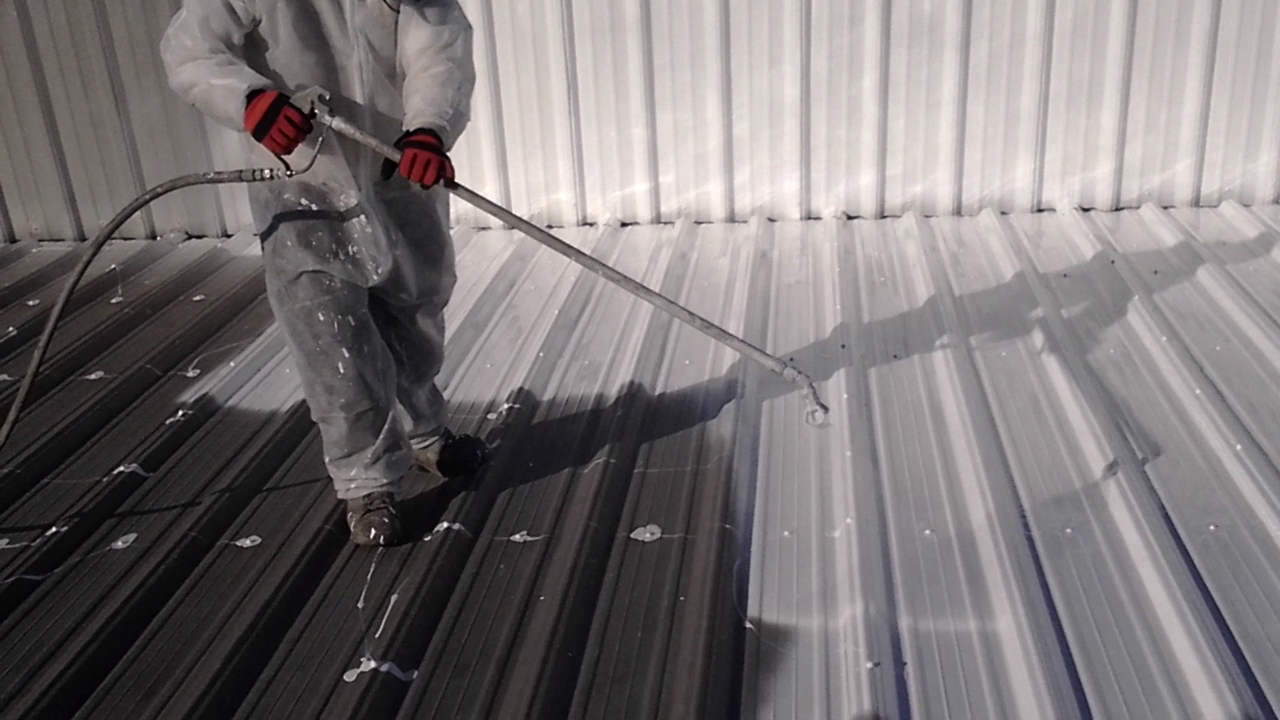 Sta-kool Elastomeric White Reflective Roof
Check These Guys Out: https://www.dcroofingarizona.com/commercial/roof-maintenance-tucson/commercial-roof-warranty/
If (like me) you are the kind of person who uses caulk with the goal of getting professional-looking, smooth joints, then the application and appearance of lap sealant on a camper roof will toss you for a loop. Lap sealant looks more like someone was attempting to put icing on a cupcake.
And if somebody has recaulked a location, there are a lot more blobs on top of the older blobs. It appears counter-intuitive to the goal of preventing water intrusion since the application does not always encourage water to drain pipes away. Even an expertly used application of lap sealant around an air vent looks more like a tiny retention pond after a rain.
If you require to recaulk on area on your camper's roofing, you initially need to clean up all those dirty mounds and, per the manufacturer, use more mounds of caulk on top of the old caulk rather than removing it. You are expected to inspect your roof at least when a year and apply caulk as required.
The previous owner may not have cleaned the old caulk before plopping more mounds of new caulk on top. We've gotten rid of old caulk that peeled quickly due to the dirt and gunk below. We have actually discovered air pockets between layers of caulk. We have actually even discovered caulk mounds that leaked out tiny water beads when pressed, presumably due to pinholes.
When you're ready to examine your roofing, start by offering the roofing system and the caulk a great cleaning. Here's a link to our DIY roofing system cleaner. After washing whatever off, take notice of where water might be pooling; particularly around the caulk. Once it's dry, use chalk to draw a circle around any areas that have bad drain.
Tips For A Better Roof
Try to find indications of brittleness, cracks, pinholes, small cratering, or edges that quickly lift up. Again, utilize the chalk to draw circle those areas that require attention. Air pockets, cracks and crevices within numerous layers of old lap sealantI prefer to get rid of old caulk instead of blob more on top.
To prevent tearing a rubber roofing membrane or scratching an aluminum roofing, shimmy the tool around the edge of the caulk until it starts to raise. It's most convenient to do this when outside temperature levels are above 80 degrees, otherwise you could use a hot air weapon or blow clothes dryer to thoroughly heat up the caulk.
The is to get the old caulk as flush to the rubber surface as possible. Have a little tub, denatured alcohol, and rags nearby to clean up as you go. Shop the can and rags in the small tub. Avoid letting the denatured alcohol make contact with the rubber roofing for too long.
Have a tub helpful for all the old sealantOnce the majority of the old caulk has actually been gotten rid of and the surface area has actually been cleaned up and dried, utilize painter's tape to specify the border of the area to be caulked. All the old sealant has actually been removedSelf-leveling lap sealant actually does not level itself out to a good finish.
Being specific about how caulk looks, which it promotes correct drainage, I utilize a customized application procedure. It's great to understand in advance how the caulk will behave. A tube of caulk that is more than one year old can be more difficult to feed utilizing a caulk gun and might not self-level as smoothly as a recently produced tube of caulk.
Less than 6 months is great. If there's no date, just avoid the tubes that have dust on them or used bottom edges. Use a piece of cardboard and lay a little object like a screw or bolt in the middle of the cardboard to check out your caulk. Use a 3/8 inch bead of sealant in a straight line down the length of the cardboard, making sure to likewise cover the screw or bolt.
Tips For A Better Roof
The sealant needs to start skinning over in 5 minutes. Older tubes of sealant might not self-level as well or they may skin over a lot more rapidly. Repeat this test for each tube of sealant as you are prepared to use it. Once you understand the how your tube of sealant will carry out after application and how rapidly it will develop a skim coat, you can begin applying beads of sealant.
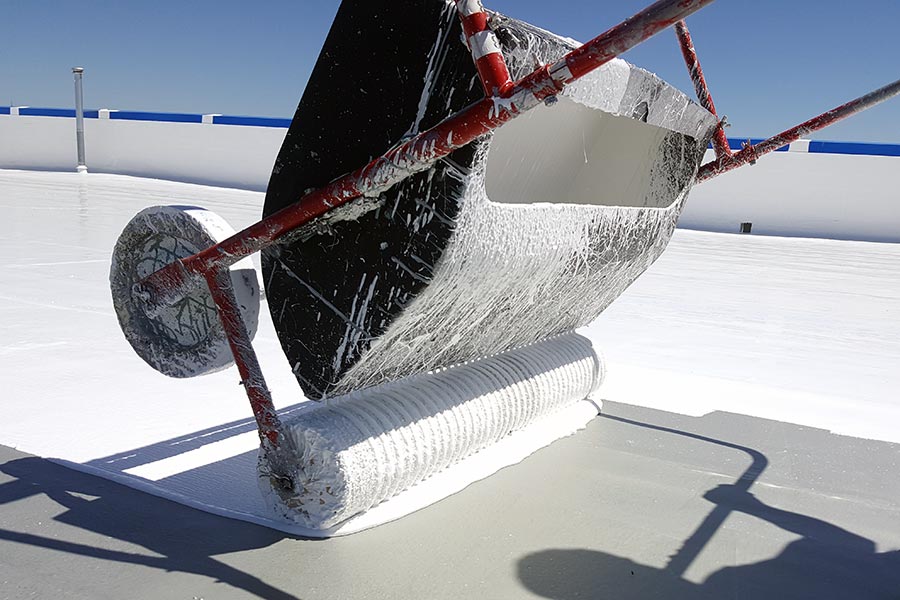 Proper Surface Preparation Is Essential Before Applying Roof
Keep the sealant beads roughly 1/2 inch away from the painter's tape (or whatever range your tube test spread suggested). Within 5 minutes of application, dip your fingers or a plastic putty knife into the water/Dawn mix, then "assist" direct the sealant leveling by utilizing light pressure to push the bead flow into the desired slope or shape.
Utilize the exact same technique to create a feathered edge toward the painter's tape. As quickly as the sealant establishes a skin coat, get rid of the painter's tape. Lap Sealant Cure Time5 Minutes Skins over4 Hours Waterproof48 Hours 80% Cure30 Days 100% CureAnother alternative is to skip using lap sealant entirely and use roofing sealant tape rather.
The cost of the tape is comparable to utilizing lap sealant (and perhaps a little more economical). We utilized Beech Lane tape, which we selected up at Amazon for under $35 (here's the link if interested). Rubber Sealant Applied To Camper Roofing CleanedAnd here's a photo after using a fresh coat of rubber roofing system covering.